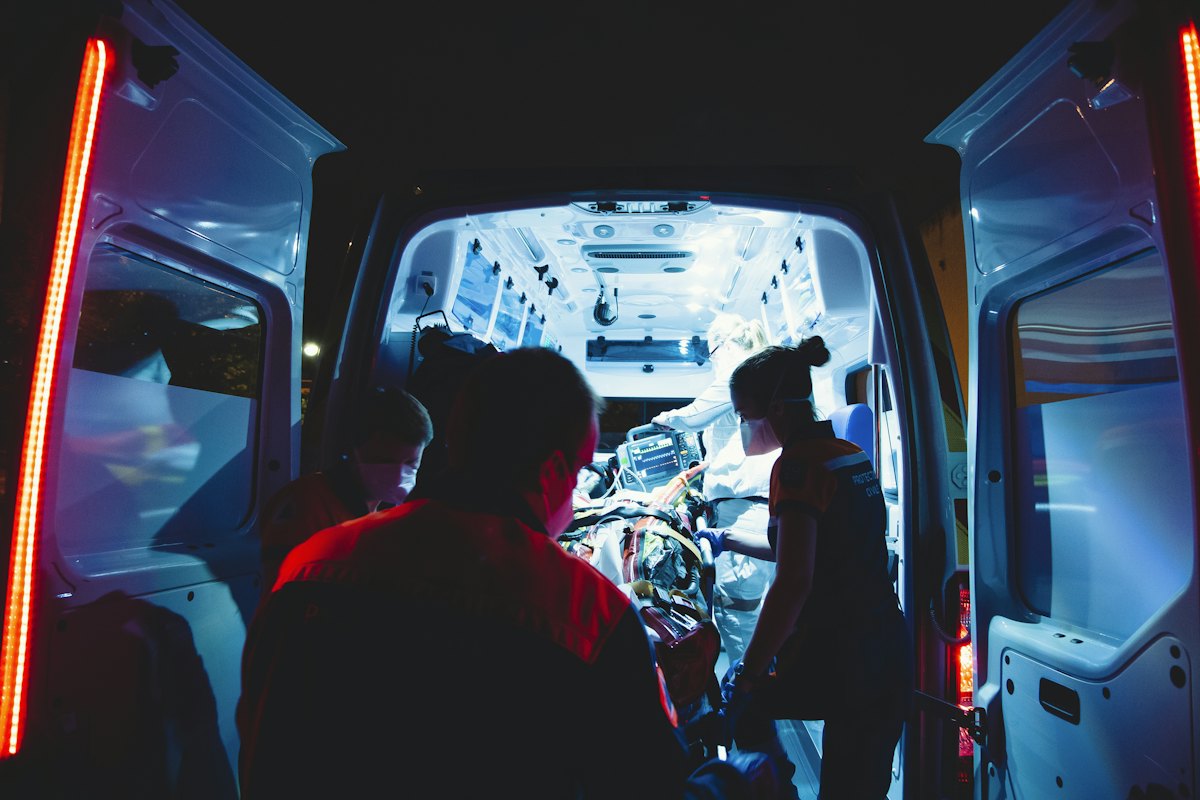
The first hour matters
Two-wheeler accidents, falls at home and sports injuries are among the most common reasons people need an orthopaedic surgeon in a hurry. Getting the bone aligned and stabilised early reduces pain, blood loss and complications — and leads to faster healing.
In an emergency, go to the nearest casualty and call our clinic number on the way. At our hospital location, the casualty team, digital X-ray, CT and operation theatre are available round the clock.
Injuries we treat
- Fractures of the wrist, forearm, elbow, shoulder and collar bone
- Leg fractures — thigh bone (femur), shin bone (tibia), ankle
- Hip fractures in elderly patients — surgery within 48 hours improves survival
- Fractures into the joint (intra-articular) and complex pelvic injuries
- Dislocations of the shoulder, elbow, hip and fingers
- Open fractures with wounds, and fractures that have failed to heal (non-union)
Treatment options
- Closed reduction & plaster — the bone is set without an operation and held in a cast or splint.
- Internal fixation — plates, screws or an intramedullary nail hold the bone so that you can move early.
- External fixator — a temporary frame for open or badly swollen fractures.
- Joint replacement — for some hip and shoulder fractures in the elderly.
After the injury
Bones take around 6–12 weeks to unite, depending on the bone and your age. Smoking, uncontrolled diabetes and low vitamin D slow healing. You will have regular X-ray reviews and a physiotherapy plan to bring back movement and strength.
Always wear a helmet and seat belt. Most of the severe injuries we treat on the highway could have been far milder with one.