When is a joint replacement needed?
Osteoarthritis slowly wears away the smooth cartilage of the knee or hip until bone rubs on bone. Replacement is advised when pain limits walking, disturbs sleep and has not improved with medicines, weight loss, physiotherapy and injections for several months — and when the X-ray shows advanced damage.
It is also the treatment of choice for hip fractures in elderly people and for avascular necrosis (AVN) of the hip, which often affects younger adults.
Procedures we perform
- Total knee replacement (TKR) — one or both knees, with modern high-flexion implants
- Partial (unicondylar) knee replacement — when only one part of the knee is worn; smaller cut and faster recovery
- Total hip replacement (THR) — cemented and uncemented, for arthritis and AVN
- Hemiarthroplasty — for neck-of-femur fractures in the elderly
- Revision surgery — redoing a loose or worn old implant
Your surgery, step by step
- Pre-operative check — blood tests, ECG, chest X-ray and physician fitness; sugar and BP are optimised.
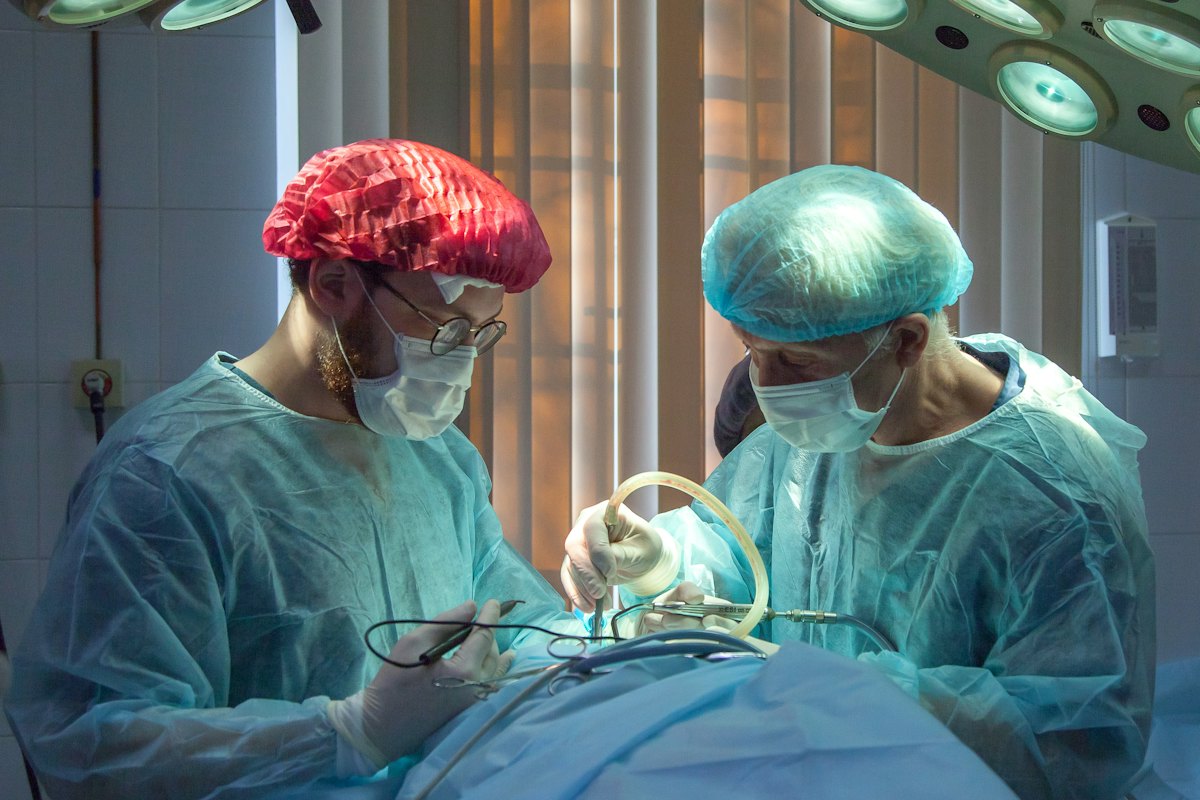
- Surgery (1½–2 hours) — under spinal anaesthesia with a nerve block, so you are pain-free and awake or lightly sedated.
- Day 1 — you stand and walk with a walker under the physiotherapist's guidance.
- Day 3–4 — discharge once you can walk to the toilet and climb a few steps safely.
Recovery timeline
Week 1–2: walker, ice packs, home exercises; stitches removed on day 14.
Week 3–6: walking stick, then unaided walking indoors; stairs one step at a time.
Month 2–3: normal walking, driving and most daily activities.
Month 3 onwards: long walks, travel, temple visits — the pain of arthritis is gone.